

In this interview, author Ed Park discusses the culmination of 25 years of writing short stories into his new collection, An Oral History of Atlantis.
Writing Habits and Practices
5 Reasons Why Writers Need Privacy
Author Tiffany Jenkins shares five essential reasons why writers need privacy to truly be successful with their writing goals.
Journalist Alison Hill explains the benefits of being a generalist journalist as well as how to carve out a niche at the same time.
Every Wednesday, poets from around the world can find a Wednesday Poetry Prompt at Writer’s Digest. This week, write a vacation poem.
Professional photography Rebecca Danzenbaker shares how her career in photography prepared her for getting her debut novel published.
Every writer needs a little inspiration once in a while. For today’s prompt, write about a day in the life of an illustrator.
In this week’s round up brought to us by Script magazine, learn how James Gunn took the new Superman film to the next emotional level.
Writer's Digest
Recent Articles
Award-winning author Laura Resau shares her top eight tips for increasing tension in any genre and for any age group.
In this interview, author Chinaza Bado discusses putting her characters through the ringer in her new fantasy novel, Birth of a Dynasty.

Take your books to TikTok, Instagram, and beyond, plus more from Writer’s Digest!
Here are the top genre and niche websites as identified in the 27th Annual 101 Best Websites from the May/June 2025 issue of Writer’s Digest.
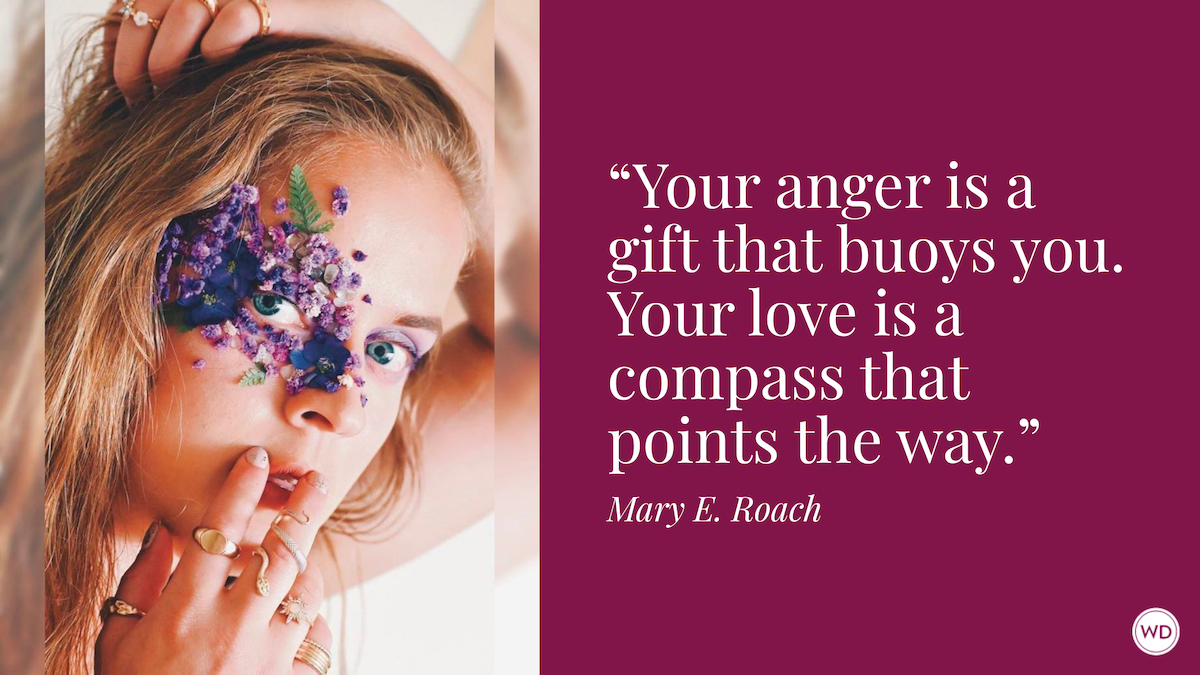
In this interview, author Mary E. Roach discusses the years of creative transformation that became her new romance novel, We Are the Match.
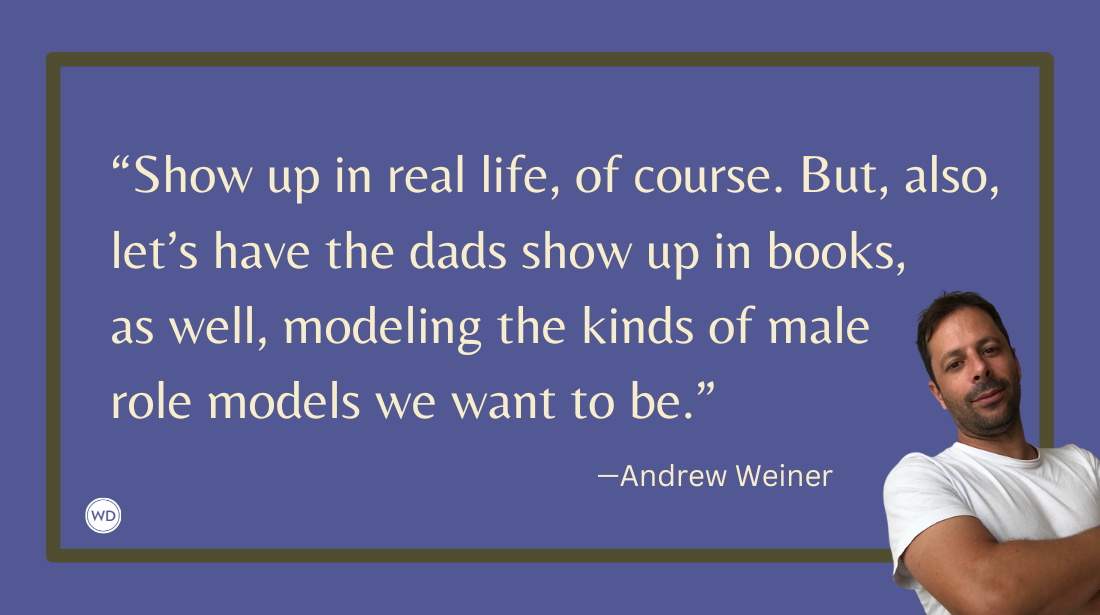
Author Andrew Weiner shares his experiences of becoming a dad and makes an argument for better dad representation in children’s fiction.

Marion Lougheed breaks down the process of using interviews to help enhance nonfiction prose, including four tips on getting better interviews.
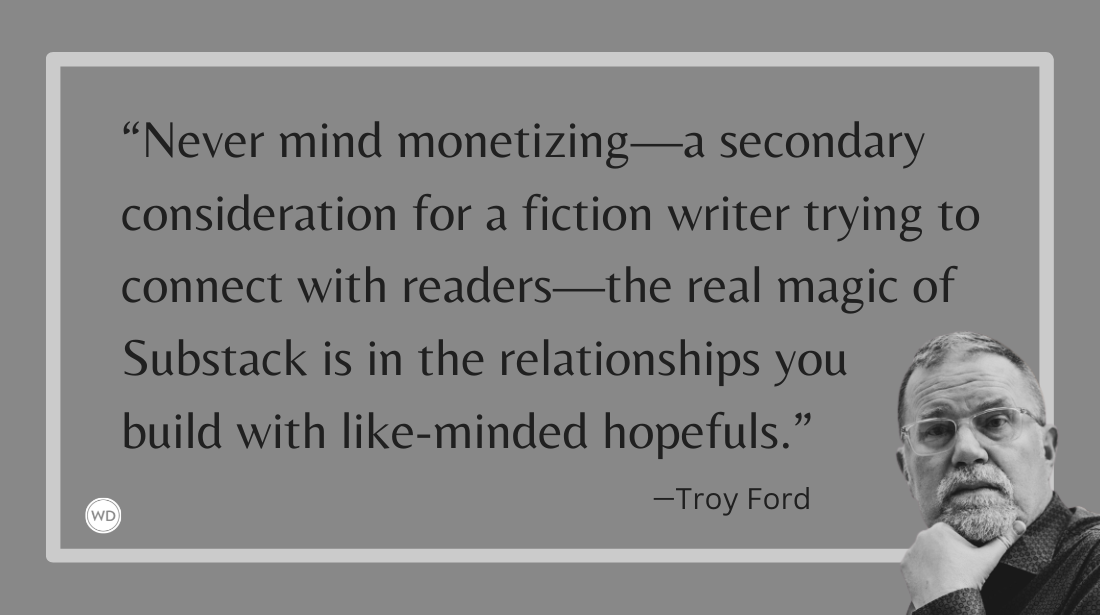
Late-bloomer author Troy Ford shares how joining Substack helped him publish his novel at 55 and connect with other writers.
In this interview, author Hannah McKinnon discusses the dose of happiness she needed that led to writing her new novel, The Sandy Page Bookshop.
Freelance writer Debra Johanyak discusses why pushing outside your wheelhouse can help writers stretch their writing skills and find more freelance success.
Author Karen White shares how the “morbid curiosity” she received from her father has led to many of her novels, including her most recent.
In this interview, author Seth Haddon discusses the learning curve that came with working in a different genre for his new science fiction novel, Volatile Memory.
Bestselling authors Brian Andrews, Jeffrey Wilson, Don Bentley, and Brian Freeman detail what you need to know about writing estate novels.
Author Enia Oaks discusses leaving the Midwest for the West Coast, specifically the Bay Area, and the impact that had on her.
Author and theologian Meggan Watterson explains how studying the story of an early saint helped her life and writing.
In this interview, author Joe Pan discusses writing about people facing uncertain futures with his debut novel, Florida Palms.
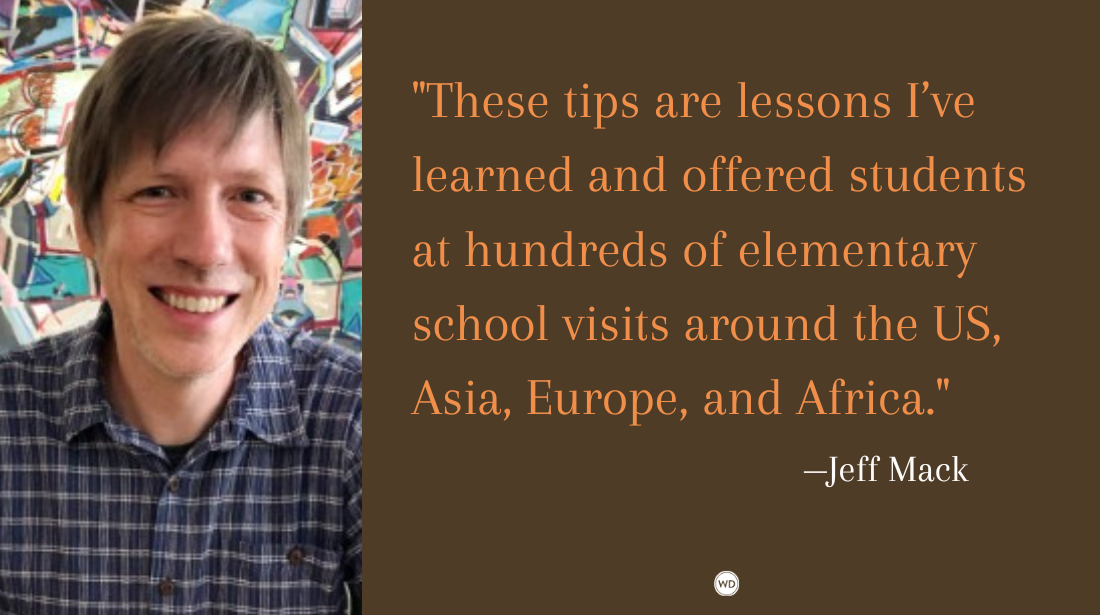
Award-winning writer/illustrator Jeff Mack breaks down how young readers and writers can get started writing their own stories.
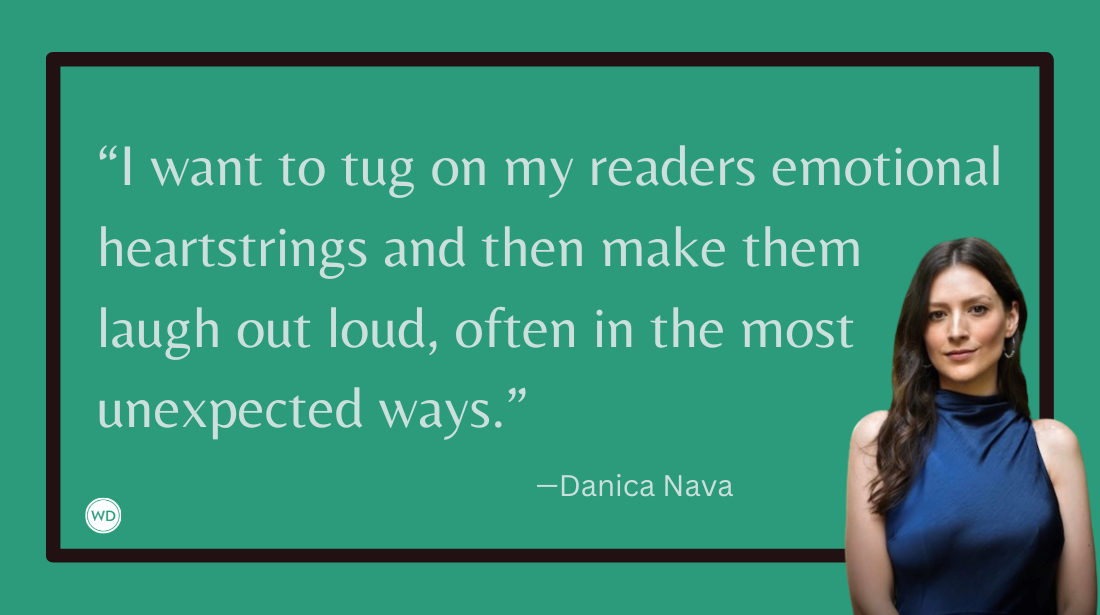
Author Danica Nava shares her top three tips for writing compelling romantic comedies that readers can pick up but can’t put down.

Every writer needs a little inspiration once in a while. For today’s prompt, write about someone stumbling across an abandoned truck.
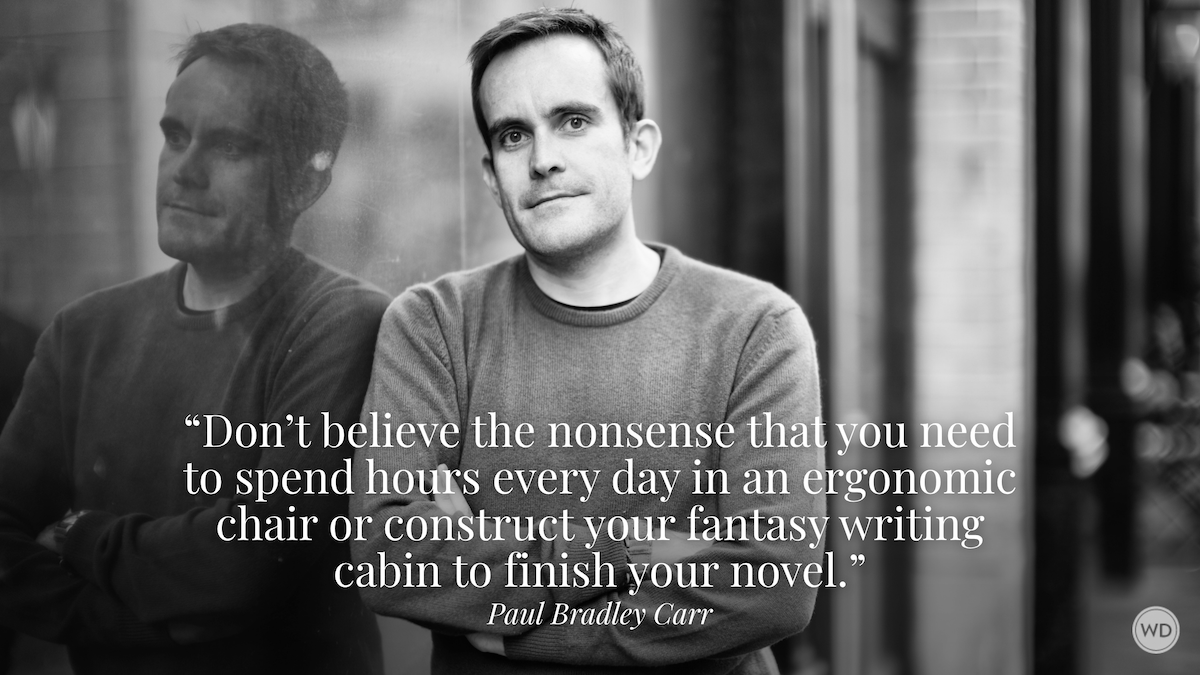
In this interview, author Paul Bradley Carr discusses how the true horrors of the tech industry helped inspire his debut thriller, The Confessions.
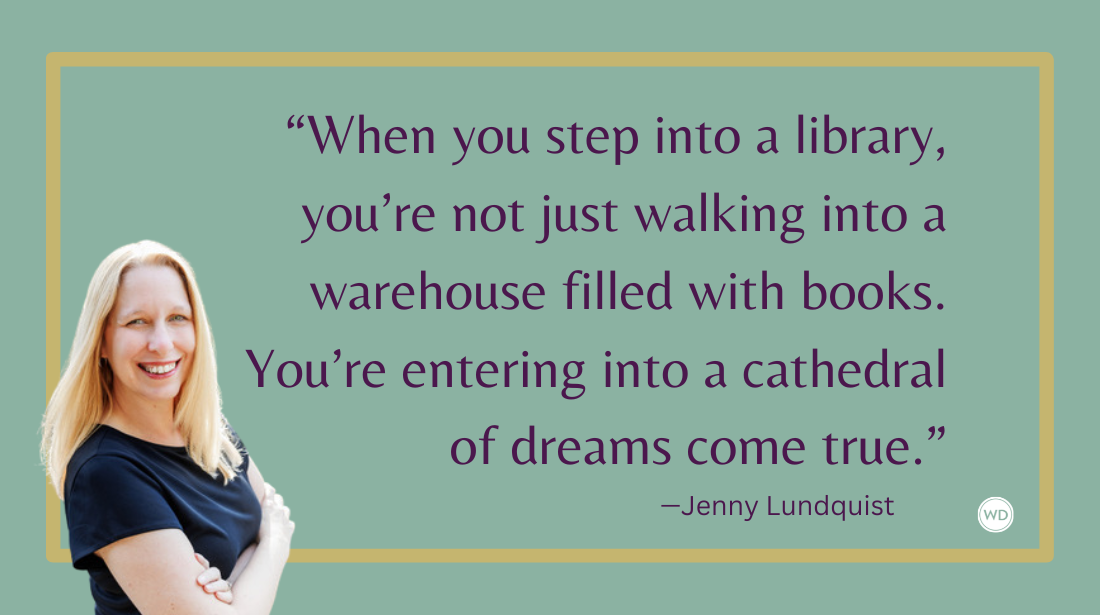
Author Jenny Lundquist discusses why libraries are a lifeline for her when transitioning from writing one book to the next.
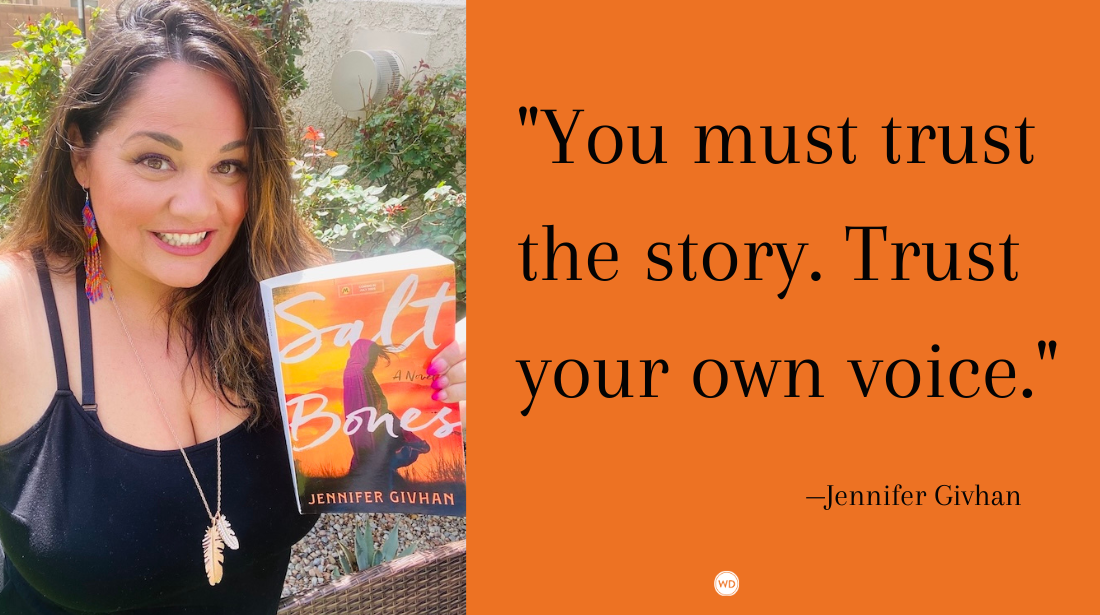
Award-winning author Jennifer Givhan discusses writing the mother’s journey for her most recent novel that is many things at once.
In this week’s round up brought to us by Script Magazine, learn how to make your script more entertaining and more coherent using callbacks.
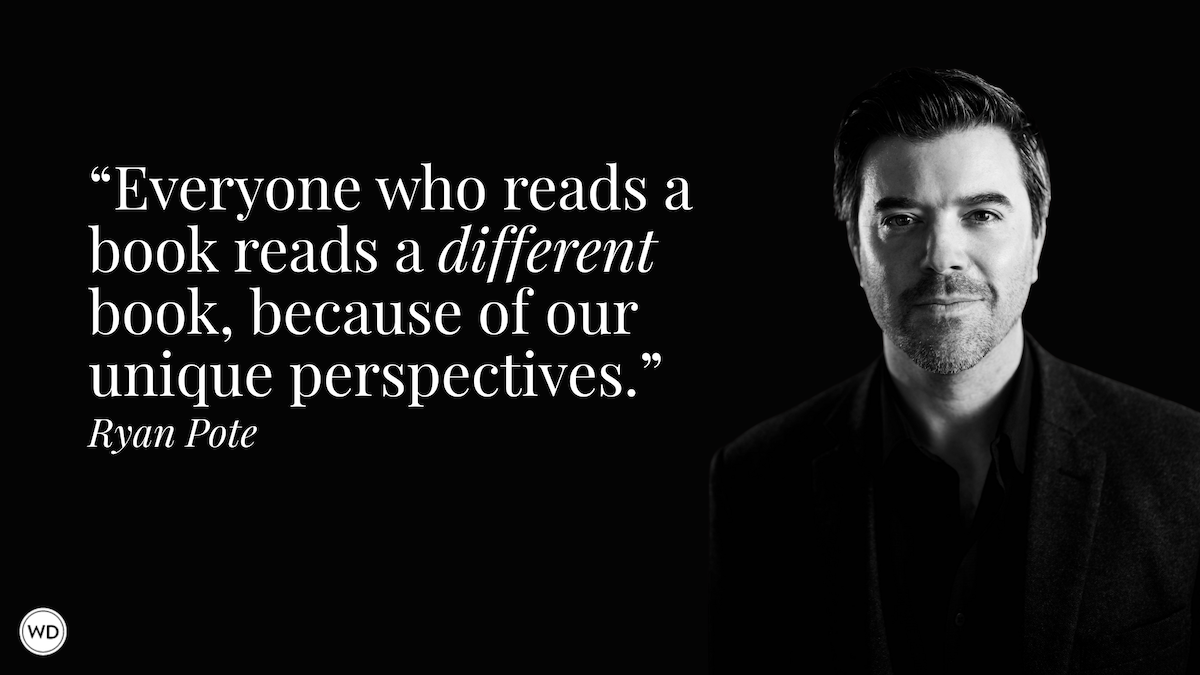
In this interview, author Ryan Pote discusses blending genres with his debut novel, Blood and Treasure.