10 LinkedIn Goals for Authors
Award-winning author and podcaster Debra Eckerling shares 10 LinkedIn goals for authors to raise their profiles.
Most authors think LinkedIn is just for business professionals.
Guess what? Being an author is a business.
Whether you write nonfiction or fiction, short- or long-form, published or not, you need to “claim” being an author. And this is a great place to start.
LinkedIn enables you to show up as a resource, not a resume. You want to be visible and knowledgeable, so when agents, editors, or collaborators (media, event organizers, etc.) come looking, they see someone who has ideas, expertise, and value to offer, not just a list of past jobs.
Plus, LinkedIn is a literal “virtual” Rolodex, which is invaluable for any business. You meet someone, either through an event or an introduction. You check them out and connect with them on LinkedIn, so you can stay in touch … and stay top of mind. Then, when you are researching agents or publishers, looking for media, or promoting your new book, you have a community or resources—and introductions—at your fingertips.
Here are 10 ways to make LinkedIn work for you as a writer:
1. Give the Right First Impression
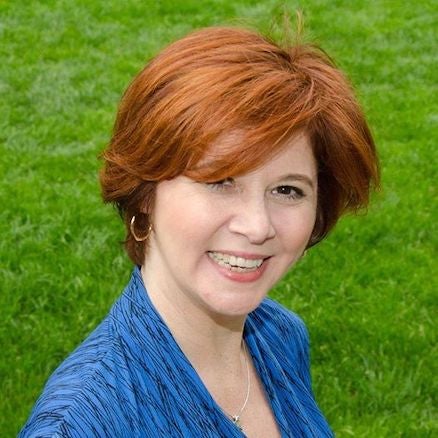
Your profile photo is the first thing people notice; you want people who met you in person or on Zoom to recognize you … and you want to be recognizable when you meet your online connections in person. Choose a photo that actually looks like you, is professional, and feels approachable.
Bonus points for adding a branded background photo. It can also be a photo of you speaking or an image that represents what you do.
2. Craft a “Helpful” Headline
Just like you are more than what you do, your headline is more than your job title. It should quickly communicate both your professional identity and, if it’s not the same, your author identity.
LinkedIn is about how you can be of service to others, so, in your Headline, you want to share how and who you help. This is true, whether you offer a product or service … or, as a writer, you inform, educate, entertain, or all of the above.
Especially if you are merging your writer-life with your professional one, add a “teaser” toward the end, like “Ask me about my novel” or “[SUBJECT MATTER] enthusiast.” The tag on your website, so whoever is on your profile can learn more. You can also customize the button under your contact info to direct to your website or book page.
3. Use and Update the Featured Section
The Featured section is where you can highlight your writing, even if it’s not your full-time gig. Showcase links and media, such as your books, blog posts, events, interviews, and, if you have one, your newsletter. This section gives you an opportunity to showcase your expertise at a glance. And anyone visiting your profile can click to learn more.
4. Fill Out Your About and Experiences
Your About section is your backstory—who you are, what you do, how you help—told in the first person. You are a writer, so this should be a piece of cake. For those with a day job, it’s okay to tack on information about your writer persona at the bottom—it shows off additional skills, like versatility and creativity.
Also, for the Experience sections, do more than list dates, companies and job titles; tell a story. Illustrate the skills, accomplishments, and experiences that shape you as a professional in whatever job. If applicable, highlight and frame any transferable skills—research, storytelling, leadership, project management—that reinforces your author identity.
And remember to include a call to action at the end of each section. Invite people to reach out, connect, or learn more about your books, projects, or business/career. Make it easy for someone to take the next step with you.
5. Enhance Your Profile
Those other sections on your LinkedIn profile are not filler! They show depth and credibility. Add education, projects, publications, awards, volunteer work—writing-related and other types, and skills (these also get attached to your work experiences).
There’s a lot you can add; don’t overwhelm yourself. Even if you add a new section each month, you’ll be ahead of most people.
6. Ask for and Offer Recommendations
Recommendations aren’t just for your day job. They’re powerful for your author platform too. Ask colleagues, collaborators, or people who have hosted you speaking or interviewed you to write a brief testimonial. And don’t hesitate to offer recommendations to others too. These public testimonials show up on their feed and can lead people back to you.
7. Post Content Regularly
Even after all these years—and what feels like tons of updates to the LinkedIn format—most people do not regularly post on LinkedIn. That means your content is more likely to get noticed.
Regular posting increases your visibility and helps you stand out and stay top of mind. Share helpful content—news, events, tips, articles, and podcasts. Also, share posts from others that you think your connections would find helpful; remember to add your insights and tag the original poster, so they can follow and engage.
You don’t have to post every day. Even a few posts a week can have a big impact.
8. Interact and Reply to Comments
Posting is just the start. Take the time to reply to comments on your content and engage with posts from others. Interaction builds relationships, demonstrates your knowledge, and keeps your profile active and in the feed.
Start with a goal of doing this for fifteen minutes a few days a week—put it in your calendar—until you work up to every weekday.
9. Check in With Contacts
LinkedIn is about networking. Regularly check in with connections: Send interesting articles via messenger, congratulate them on milestones, or simply say “Hi” to touch base. These small gestures keep you top of mind and strengthen relationships, keeping them going for the long term.
10. Review and Update Your LinkedIn Regularly
Your LinkedIn profile isn’t a “set it and forget it” tool—especially if you are a writer who is also juggling a day job. Make it a habit to review and update your profile periodically: Add new writing projects, tweak your Headline or About section, refresh your Featured content, and ask for new recommendations. A profile that evolves with your career shows you’re active, credible, and serious about sharing your work with the world.
Final Thoughts
This is just scratching the surface of ways to use LinkedIn as a writer. The goal is for your LinkedIn profile and activity to be the best reflection of your author self—and this is a wonderful place to start.
Connect with me on LinkedIn.com/in/coastbunny.