Writers in the Ever Changing World of Podcasting
Seasoned podcast producer and sound designer Jaimi Ryan discusses writers and their place in the ever changing world of podcasting.
When podcasts first appeared in the early 2000s, the medium was an experimental playground for hobbyists. Recording in spare bedrooms or garages with nothing but a USB mic and recorder was fairly standard. Two decades later, podcasting has transformed into a global industry worth billions, rivaling traditional media in audience size, influence, and creative potential.
What was once a niche offshoot of radio now sits squarely at the intersection of storytelling, journalism, and entertainment. Understanding how the podcasting landscape has changed can help writers see where their craft fits into today’s world of multimedia storytelling.
The Early Days: DIY Roots and Intimacy
The first wave of podcasters were tinkerers and enthusiasts. Episodes were often rough around the edges with unpolished sound and uneven pacing, but that was part of the charm. Early shows embodied a spirit of experimentation, where creators spoke directly to listeners without filters, corporate sponsors, or broadcast standards.
The barriers to entry were low, and the intimacy of audio created an entirely new way to tell stories. In those early days, podcasting’s rawness was its strength. There were no gatekeepers, just voices and stories.
Early podcasts found small but deeply dedicated audiences. Without mainstream understanding of what podcasting was, how to listen, or platforms to easily distribute episodes, these shows were limited in their reach.
The Podcasting Boom: Professionalization, Reach, and Diversity of Content
Then came Serial. I almost don’t want to talk about Serial, because it’s discussed so frequently, but I have to acknowledge that it changed the industry forever. When the first season dropped in 2014, millions of listeners were suddenly tuning in weekly, sharing theories, and discussing audio storytelling with the same fervor once reserved for prestige TV. The success of Serial ignited an industry-wide boom. Production companies formed. Celebrities launched shows.
Networks began competing for exclusive content. Podcast industry executives like Max Cutler (founder of Parcast and PAVE) and Ashley Flowers (Audiochuck) cite Serial as the podcast that inspired them to create their podcasting networks.
This is the time when audio storytelling became more sophisticated, not only in production but in structure and tone. This was the era when minor podcasting networks were formed, just before media moguls controlled the landscape. This is the period that gave us The Moth, Beautiful Anonymous, WTF with Marc Maron, and Lore (among many others) as well as an explosion of docuseries that came with the formation of journalistically driven podcasting networks such as Gimlet and Wondery.
For writers, this shift meant that podcasting became a viable platform for publishing and discovery. Stories that might have languished in slush piles found new life as audio fiction. Essayists and novelists began appearing as guests on genre-specific shows, connecting with niche audiences that mirrored their readerships. People outside of tech and radio were now familiar with podcasting, and for those creatives willing to experiment, launching a podcast of their own became an opportunity to expand their creative voice while building a loyal following.
The Current Landscape: Saturation, Innovation, and Hybrid Models
Fast-forward to today, and podcasting is no longer the Wild West. There are now hundreds of thousands of active shows competing for listener attention. The challenge isn’t just creating a good podcast, it’s being discovered. With competition from YouTube, TikTok, and other video-first platforms, audience fatigue is a real issue.
Yet, even in this crowded landscape, innovation thrives and niche audiences continue to connect with new podcasts. Subscription models through various platforms allow creators to build sustainable income from dedicated listeners. Stories flow across media boundaries and podcasts become books (Limetown, Alice Isn’t Dead) or television series (Homecoming, Dirty John, Root of Evil).
For writers, the key to discovery is thinking strategically. What story, or aspect of your voice works best in sound? A writer doesn’t need to chase every trend; instead, the goal is to use the medium intentionally and authentically to connect with your specific audience.
The Future of Podcasting for Writers
Artificial intelligence and voice synthesis are beginning to shape the field, opening possibilities for accessibility and experimentation, while raising significant ethical concerns about ownership, authenticity, and sustainability. For writers, staying informed about these developments is a professional necessity.
The increasing use of AI and corporate involvement in podcasting has been troubling to creatives and caused tension in the industry. Many podcasters and listeners miss the early days of DIY podcasting before there were gatekeepers and higher and technical expectations. The constant changes can be tough to keep up with and can discourage podcasters from starting or continuing with their projects.
However, listeners will always care most about quality storytelling and they can spot (or hear) a lack of authenticity in a fraction of a second. My experience working in corporate podcasting showed me that no matter how much funding a podcast has, if it’s an inauthentic corporate creation that feels stilted or relies on AI writing, very few people will listen. Listeners want stories written by real people, they want to hear real friends laughing together, and they follow shows with creative authenticity and hosts that feel genuine. Very few corporate creations actually outrank homegrown podcasts of friends or colleagues sharing stories and displaying vulnerability, and a huge swath of top charting podcasts had very humble beginnings.
Practical Takeaways
Despite the industry changes, you still don’t need a studio or a staff to get started. Creating a podcast remains one of the most accessible media projects one can take on, but you don’t have to create your own to get started. Many writers begin by guesting on existing podcasts related to their genre or niche. It’s an easy way to reach new readers while getting comfortable with the audio format.
Collaboration is another path forward. Joining forces with an editor, voice actor, or fellow writer can turn a simple concept into something dynamic. Audiences are primed for more diverse and overlapping media styles, making it a great time to experiment with format and lean into a multi media approach to your work.
Podcasting also functions as a powerful tool within the world of writing and publishing. Writers can use it to connect with other writers, discuss craft, read work aloud, or share the creative process behind the scenes.
Regardless of industry updates, podcasting continues to be a great tool for both the craft and the business side of writing: sharpening your ear for language while expanding your professional reach.
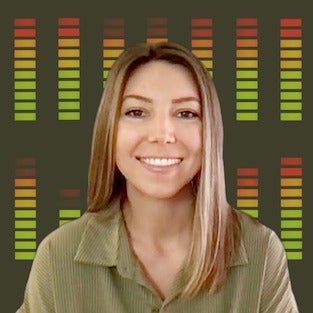
Jaimi Ryan is a seasoned Podcast Producer and Sound Designer with a background in music production. After pivoting from music to podcasting in 2017, she has had a wide range of podcasting experiences including podcast creation, remote recording, audio restoration, post production, content editing and hosting. Her credits include Unlocking Us and Dare to Lead with Brene Brown, Call Her Daddy, Anything Goes with Emma Chamberlain, and other Spotify Original and Exclusives as well as several independent podcasts. When she’s not producing audio, Jaimi enjoys block printing, sculpting and exploring her home city of Atlanta.