
Developing Magic Systems
Award-winning author Whitney Hill shares considerations for developing a magic system for your stories and how to avoid boxing yourself in for future works.
[This article originally appeared in the November/December 2025 issue of Writer's Digest magazine.]
Fantasy and all its many subgenres are ever popular, and an element of the magical or supernatural permeates fantasy worlds, defining the genre. Being intentional in building your world’s magical system increases immersiveness and allows you to develop the themes, tropes, and messages you’re exploring in your work.
Approaching Your Magic System
You may already have some ideas of what you want or need magic to do in your story. If not, here’s a starting point for thinking about it.
Hard Magic Versus Soft Magic
As a first step, consider whether you want to develop a “hard” magic system or a “soft” magic system. The core difference between the two is the level of flexibility and predictability built into the system. Hard magic systems tend to have firmer rules and logic with more predictable outcomes, like Person X + Action Y + Target Z = Defined Outcome, often to achieve a specific goal or task. Soft magic systems will have more flexible rules, which the reader may not be able to define—which also means being less able to predict outcomes.
Deciding which works best for you from the start helps determine how much time and effort you need to put into the specifics of the system. If you’re someone who needs to know the details of everything before you start writing, a harder magic system could give you the building blocks you need to craft your story. On the other hand, if the idea of too much structure makes you freeze and avoid writing entirely, allow yourself to start with a softer system that you can refine for consistency and cohesion later if needed.
Another way to decide is based on how important magic is to your story. If it drives key elements of the plot or characterization, it might help to have clear rules and a harder system. If it’s just something in the background, a softer system helps de-emphasize magic as a thing that exists but isn’t critical to understanding the story.
Genre Considerations
Genre might also play a role in how you develop your magic system.
Use of magic
One of the first things to consider is what the people in your world are using magic for. These uses might include:
- Sacred religious or spiritual rituals
- Everyday tasks like communication, transportation, or commerce
- Special applications like healing, metalworking, or engaging with animals or spirits
- Personal development or transcendence
- Conflict and destruction
- Relationships (whether platonic, familial, romantic, sexual, or political)
- Environmental manipulation
In other words, think about whether the use of magic is something quotidian or reserved for sacred moments and uses, who would be using it in those situations, how, and why. Also consider if there are rules or ethics around using magic in certain ways, whether there are consequences for transgressing, and who those consequences fall upon. These decisions might be guided by your genre choice in some regard; a romantasy might have a much stronger focus on how magic impacts relationships, where a science fantasy could have a stronger focus on the interplay between magic and tech.
In addition to the direct considerations around using magic, also consider whether those uses are expected or unexpected. In a science fantasy, the tech might be the stronger focus: ships, weapons, transit systems, communications, etc. The use of magic in a science fantasy world might then be relatively unexpected for some of the characters who are more accustomed to getting things done with technology.
We could also think about expected versus unexpected in the sense of who uses magic and how. In a high fantasy, it might be more expected for dwarves to use magic for crafting and smithing, while elves use it to charm and other species have no magic at all, but this can also be an opportunity for subversion.
“Tone” of magic
Magic might have a “tone” that shifts depending on genre. An urban fantasy might have a grittier setting than a high fantasy, so we might expect the uses of magic to be for more down-to-earth things. A historical fantasy involving magic would need to take into consideration the time period and who is using it; is it time-travel magic that has an air of mystery about it, or is it ancient magic that is earthy and grounded in sacred ritual?
Thinking about the tone(s) of magic(s) in your system can lend itself to more immersive descriptions of its use in terms of physical effects or feelings, sensory experiences, differentiating factors (if you have multiple forms of magic) and the attitude the characters populating your story have toward it.
Attitude toward magic
Star Wars would be considered science fantasy, given the existence of the Force as a mystical power. The attitude toward it in much of the original trilogy is dismissive of people who “believe” in it, with Han Solo’s comments about “hokey religions” serving as an example. At the same time, it’s dangerous to call oneself a Jedi, even while the Emperor and Darth Vader—the leaders of the Empire—are both Force users.
This invites us to think how genre might inform the attitude toward magic. In a more science-heavy fantasy, we might expect to find attitudes of derision or scorn on one axis, and secret fervor on the other when it comes to the existence of magic. In an epic fantasy, it might simply be taken as a matter of fact that magic exists, with the attitude shifting more on how it is used or who is using it.
Finding Inspiration … Without GenAI
With time and life pressures, it may be tempting for some to consider using generative AI to find ideas for your magic system. Here are some alternatives to help you develop your writing and creative muscles.
- Go somewhere new or related to your story, and take notes on the who, what, when, and where of the space. Imagine some reasons why people might be doing things. Also note your sensory experiences. Where would magic fit in all this?
- Try a new craft, hobby, or experience—I tried blacksmithing to get an idea of what it was like to work with fire as an elemental!
- When you have spare time, rather than reaching for your phone, look around you and think about the different ways magic could be applied or used.
With a solid approach to your magic system, you can look at how to build it into your world.
Building Magic Into the World
Magic is frequently thought of as a thing that is used, but when building a magic system, it’s valuable to also think about magic as a thing that exists. There are a few different ways we can do this.
Setting
The first is to think about how magic interplays with the setting of the story. When considering setting it can help to break it down into a few factors:
- Environment: The natural and human-built features, as well as the rules of interaction and access to these features for different intersections of identity e.g. class, gender, race, ability
- People: Who is occupying the space, how they fit in, how they navigate the setting, their purpose, and how this contributes to the overall vibe of the place
- Sensory details: What can be experienced with all the senses available to the character(s)
- Time and space: Seasons, time of day or night, and events occurring in the space
Thinking of magic as a thing that exists means considering all the ways that your magic system permeates, impacts, or influences elements of the setting. Looking at environment could spark inspiration around magically imbued plants or plants that give magical powers, or a special metal that has semi-magical properties (consider Black Panther’s heart-shaped herb and Vibranium). There may be specific people who have access to magic, or only in certain places, or have magic that grants them greater or lesser abilities or ease in navigating spaces. Sensory details could be a way to hint that magic is in play; in my Shadows of Otherside series, magic has a scent that differs by faction, allowing hints as to whether an elf or a werewolf has been in the space, and powerful magic users have a “power signature” that can be sensed by others in the community. Time and space could influence when and how magic is used, whether it differs in strength or intensity, unintended effects, or even whether magic is available to use at all.
Character
At a more individual level, it’s useful to think about nuances in how magic might be used by individual characters. Start with the journalistic questions of who, what, when, where, why, and how to break down magic from the systemic level to the individual level.
This offers opportunities for certain characters to have different magical skills or talents, levels of ability, quirks, or needs before magic can be used. All of this will need to be in line with the higher-level magic system for it to be consistent and believable.
Cooperation and Conflict
Another useful way to think about building magic systems is in terms of cooperation and conflict. Keep in mind that cooperation or collaboration does not have to mean friendship and good feeling, only a common goal. Likewise, not all conflict is overt fighting; it can simply be a disagreement or an incompatibility between people or groups.
Cooperation and conflict can be major plot points where the development, evolution, absence, or removal of magic can be used to dramatic effect. In these cases, thinking through how magic can be nurtured or neutralized, by whom, when, and why will be key to building your overall system, again to maintain the overall cohesion and consistency within the world.
Considering magic in the sense of collaboration and conflict can also reveal opportunities where it supports or undermines key themes, tropes, or messages in the story. Do this intentionally, with thought for what magic is standing in for in the real world the reader inhabits.
Evolving the Magic System
Over the course of a book or series, it may happen that your magic system needs to evolve—whether intentionally or unintentionally. Done intentionally, the evolution of the magic system can be used as a device to develop, shift, or unfold elements of setting, characterization, conflict, or plot.
Sometimes it needs to happen unintentionally though. When I started drafting the Shadows of Otherside series, only five books were planned. The world now spans 15 books across different timelines set within the same universe, shifting the focus to different characters whose magic I hadn’t fleshed out as well as I had the POV protagonist’s. As the story progressed, some of the rules I created at the start eventually painted me into a corner.
Evolving the magic system on the fly can lead to inconsistencies and plot holes, or instances where magic becomes an unsatisfying deus ex machina situation. To avoid this, think about how to build the evolution in ascharacter development. When the evolution is necessary because you’ve trapped your character (and yourself) chasing a certain plot point, there are a few options:
- If this is the first book, decide whether you can/want to go back and rewrite portions to allow for the necessary change, or if you want to restructure your overall magic system to accommodate it, or if you want to change the plot point.
- If this isn’t the first book, go back to previous books and see where relatively small details might be drawn upon as retroactive “hints,” and leverage them as direct points of evolution for where you are now in the form of character development. This may require a “training montage” type scene or series of scenes in order to introduce the change in such a way that it is believable.
Either way, few things in life stay the same forever. Go into the building of your magic system with the assumption that it will change and allow yourself some flexibility, even if it’s a hard magic system.
Drafting Tips
As you go on the journey of moving from planning your magic system to writing it, the twists and evolutions that arise can make the magic look quite different at the end of the book or series than it did at the beginning. To keep things consistent and satisfying for readers, as well as to streamline the editing process, it can help to do some documentation during the writing process.
Draft a Style Guide
Both before and as you’re writing, it helps to create a style guide. This will support you and any editors you work with throughout the writing process.
A style guide will typically include the following features:
- Language preferences and style
- Big-picture elements, like narrative tense, point of view, specific world-building rules, and timelines
- Formatting and layouts
- Character names and important details
- Author preferences on spelling (e.g. startup versus start-up)
Details of the magic system might fit in any of the above sections, but are most likely to fall under big-picture elements and character details.
Creating one of these for the first book and then a new one with updated information for each subsequent book ensures that details stay consistent and logical. They also particularly help with developmental editing, as you’relooking to assess the big plot elements and whether they work, as well as copy editing, where you’re making sure the details are correct and consistent throughout the work. Finally, they support a clarity of vision, making it easier to see where you intended to go with your story and how.
Create a Plot Summary
If you know what plot structure you’re using for your story, it can help to create a summary after you’ve finished your draft. For example, one common structuring method calls for plot points to occur at each of the 12, 25, 37, 50, 62, 75, 87, and 90 percentage marks, with the story winding down at 98 percent.
When you have a draft ready, divide it up by pages (i.e. 0.12 x X to find the 12 percent mark) and at each point, take note of what’s happening within a few pages on either side. If magic is a major component of your story, there may be something happening that involves the magic system, not just the overall plot or characterization. Thinking about the influence of magic at each of these points can be a way to underscore its importance or the challenges involved. It also serves as a checkpoint to see if magic ended up being a key element to the story or not. Sometimes it’s exciting to create the system as part of world-building, only to discover it was one of those things that never got used.
If that happens, be sure to assess whether it was intentional and if you want to change it for this or a future book, and if so, what the larger ramifications will be for both the magical system and the world-building.
*****
Whether you go with a hard magic system or a soft one, giving consideration to the different ways it fits into your world offers immersive depth and nuance that engages readers.
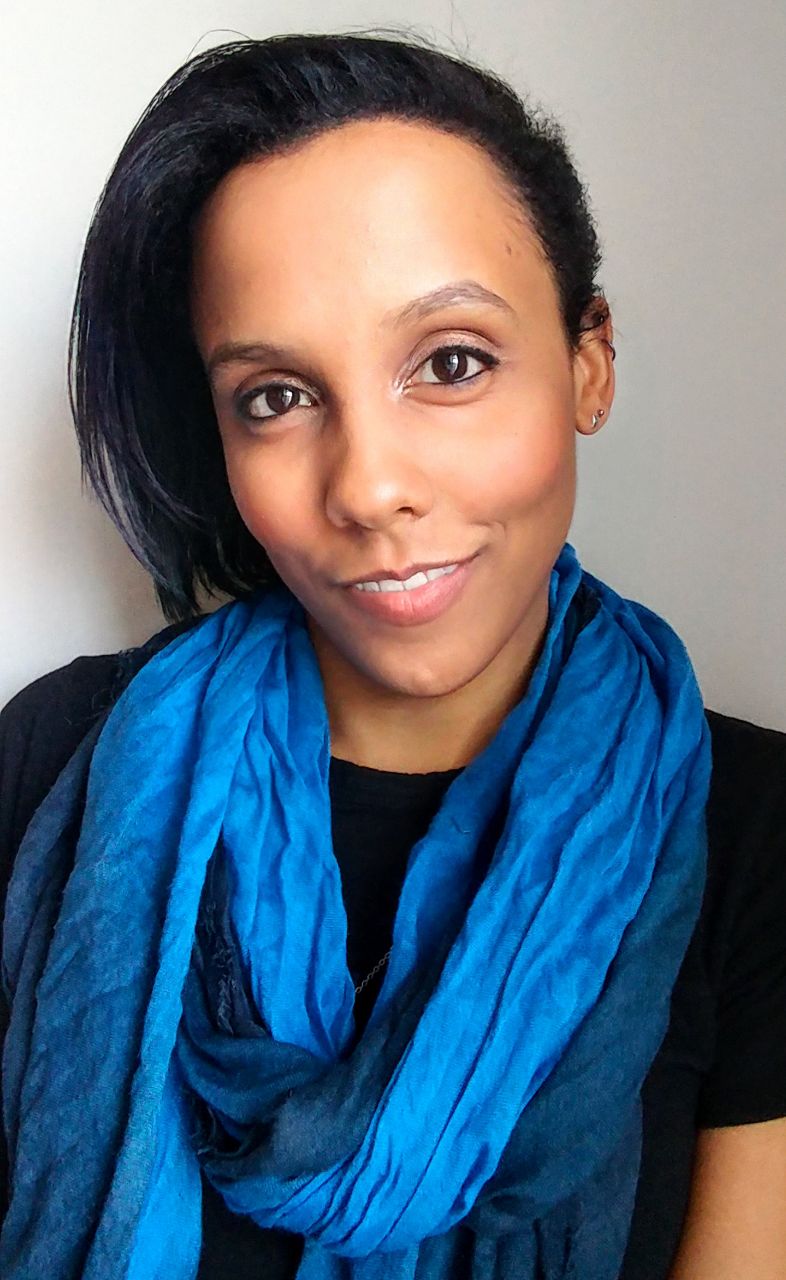
Whitney Hill (WhitneyHillWrites.com) is the author of the Shadows of Otherside fantasy series and the Otherside Heat paranormal romance series. Her first book, Elemental, was the grand prize winner of the 8th Annual WD Self-Published E-Book Awards. Her second book, Eldritch Sparks, was one of Kirkus Reviews’ Top 100 Indie Books of 2021. You can find Whitney hiking in state parks or on Twitter and Instagram @write_wherever.