
Where Creative Writing Differs From Scientific Writing
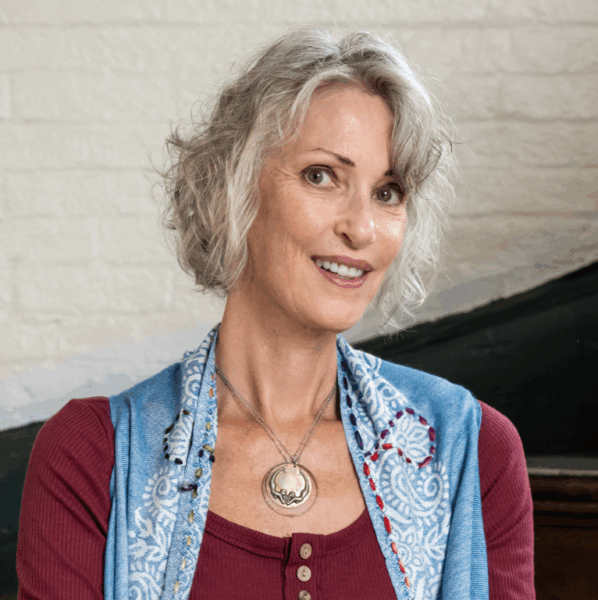
Author Colleen Quinn examines where creative writing differs from scientific writing, including what makes great storytelling.
There is a formula for writing scientific research. State the thought succinctly. Quote everything using the experts who came before you. Have a theory and hypothesis as the rationale for your endeavor. Add to the current state of knowledge in some way. Observe. Remain in the mystery, unbiased for any particular result. Let the results lead the way.
And only in the end, in the conclusion, now that you have established devotion to the project and some credibility, can you share your interpretations of what it all means. Years of work reduced to as few words as possible only to be critiqued by panels of experts who often think it would be fascinating to add another variable into the mix. You learn to stand your ground. Data collection was completed eons ago.
Much of this formula is a recipe for being fully alive; learning from others, approaching each moment as precious and new with the lens of curiosity rather than predictability. Most importantly, allowing experience to teach and grow us, much like the interventions we use to shape the variables in our experiments. These are also the elements of good storytelling.
We want to get lost in the mystery, excited to see what comes next. We are all vicarious learners. It is so much easier to learn from someone else’s adversity rather than having to feel the burn from the hot stove on our own flesh. We are inspired by movement from victim to victor. We yearn to know how they did it. We want details so we can ascribe meaning to the act. Information creates new neural networks in the brain, new paradigms for what is possible for us. If Bilbo Baggins could do it, so can we.
Like theory, cohesive writing starts with a litmus test. This is the author’s epiphany that is the impetus for the book. It should challenge our current mindset in some way. For my book, Essence Merging, it was: any part of yourself that you don’t know, that you have not become intimate with and love completely, is a part that you cannot love in others. Some tangents in early drafts felt alluring but if they did not meet the litmus test, they were edited.
In essence, all captivating storytelling chronicles change. But we live in a world of soundbites and fleeting attention. This is where creative writing differs from scientific writing. We must keep the reader engaged. Ideally each page starts with a beginning hook followed by a middle build that keeps the tension. The page culminates with a payoff, some emotional change, before introducing an ending hook to keep the reader motivated.
The entire book may describe the hero’s journey, but the journey itself needs to explore many highs and lows along the way because this is the formula of life. Life’s hooks. Adversity is inherent in this realm, even though social media wants to portray easy abundance. It is only the challenges that push our back up against the wall, that get us out of our comfort zone, that hold the capacity to uncover the higher gear where we come to know ourselves as greater than we previously thought… the payoff.
Palpable writing parallels conscious awareness. First, we must ground the scene using as many senses as possible. Encoding of sensate experience is the vitality of aliveness. Once grounded, compelling writing explores the nuances of relationship. All learning happens in relationship. If one gear of the watch changes, all the other gears must operate differently as a result. All change starts inwardly. How does one character’s change result in change for the others?
Dialogue shows, it doesn’t tell. It is moving to show what the characters want. Intentions and desires say a lot about who we really are at that point of our journey. But wants are often not needs. It is equally engaging to let the reader know whether or not the character gets that want. How does the result shape the character? The experiment of life.
Words are spoken thoughts. As such, according to quantum physics, they have the ultimate power to call the formless into form. They are the energy of creation. This was known to many early religions. Biblically, God said, “let there be light,” and the light appeared. Intricate storytelling foreshadows seemingly meaningless dialogue having profound later impact. Thoughts become things. This is a vicarious lesson that could elevate collective consciousness if it, again, became common knowledge.
Finally, engaging storytelling creates complex and nuanced characters. The best way to do that is through vulnerability. True vulnerability happens when someone is brave enough to show the fullness of themselves despite potential consequences. We all have strengths and weaknesses. Authentically showing the fullness of ourselves is the only way to build the intimacy that these hearts crave.
Of course, in life, that privilege should be earned or we will feel the burn of betrayal. But in storytelling, we need to feel so intimate with the characters that we could place ourselves in their clothes. That’s how the vicarious learning that makes storytelling the greatest form of meaning-making in history happens.
Check out Colleen Quinn's Essence Merging here:
(WD uses affiliate links)