Writing in Multiple Age Groups and Genres
Author Alechia Dow discusses the challenges and joys of writing different genres for middle grade, young adult, and adult audiences.
You know the saying: You are what you eat? Well, I’ve found that it applies to writing too––you write what you read. While it’s not as delicious; it’s true, which is why if you want to write in multiple genres and age categories, you’ll read widely and take notes. For most of us, reading is easy; it’s being aware of our audiences that requires a plan.
Let’s start with determining our intention.
Many authors begin their career with a desire: I want to tell stories! Then we move on to thinking: I want to write the best novel, win accolades, hit bestselling lists, find readers that’ll stick with me for whatever comes next. We’ll glance at the books on our shelves that inspired us to pick up a pen or clack on the keyboard, we’ll have a plot, a vibe, and a genre. This is when it gets tricky; actually writing for readers––yes, we love being storytellers, but we’ll need to consider where our book is going to sit on their shelves and hopefully inspire them too.
This applies to every book we write, and which genre we attempt first; it’s usually the one we’ve read the most. Romantic comedies, science fiction, fantasy––we consume it because we adore it. We know the audience because we’re part of it. We’re confident here.
But when we shift into another category like young adult (ages 13+), suddenly we might not know the audience and when we’ve engaged with it, we’ve engaged only as adults. This is part of the problem with children’s literature in its current iteration. Who has the disposable income to buy books? Who is reading and shaping teen literature? Have we understood the assignment or are we creating a new one based on what we know?
This’ll require reading teen literature, watching teen media, and knowing your limitations. One of the ways I’ve connected to this age group was asking teachers, librarians, and parents. They generally know what kids are looking for and what they’re not finding. They’ll know the trends, the complaints, and the books that aid literacy. This information is invaluable and it’ll help you build your foundational knowledge of the literary landscape.
First, you’ll need to find the distinctions between the age groups. With middle grade (ages 8–12ish), the stakes may be life or death, yet it’s accepted that you should discuss family and friendships; this is a big time in development and relationships shape who they are. From there, we’re thoughtful about plotting. One thing I’ve learned in my career; when you make a story too complicated for young readers, you might lose them. If they’re confused, if the language doesn’t match their reading levels, they might shut the book.
This is what informs my writing; I’m a former children’s librarian. I’ve seen how you can give a child a book and then if they don’t enjoy it, if they struggle with it, their desire to read for fun could change. That is the absolute last thing we want to alter. The readers we make here are the readers picking up books for the rest of their lives. And, if I were writing a longer article, I’d talk about how messaging for younger audiences plays a role in developing compassion, empathy, and inclusivity. That’s the awesome power of books!
So now you know the differences. Generally speaking––middle grade, beginning to understand the world. Teen, beginning to understand their place and how to step into it. Adult, understanding how to navigate it with their knowledge and experiences.
Which leads us to consider our approach.
This is where we learn what’s generally acceptable and how we’ll define our messaging. While rules can be a bit more fluid in self-publishing, they can be rigid in traditional publishing. There’s a narrower expectation of how many pages there are in a middle-grade fantasy, how many words there are in an adult romantic comedy, if there can there be death and intimacy. Most of us research this without issue, but when you’re writing multiple books, outlining, staying organized, and being intentionally cognizant throughout. These are some of my guidelines:
- Make a spreadsheet to keep track of characters, their arcs, world-building, and chapter-by-chapter summaries. When you’re working on different genres and age groups at the same time, use this to reduce inconsistency and stay on course.
- Avoid writing the same genre and age group at the same time. This isn’t always practical––you may have a book in developmental edits while writing an option or preparing for a new submission, but I do think it’s good to have distance.
- Learn. Every age group and genre teaches you a new skill, allows you to get creative, hone your craft, and reach new readers. It’ll challenge you, but it’ll let you tell new stories in new ways that’ll reach a new audience.
For me, this one’s the most important: Remember to lean into the fun of writing. When you’re infusing your energy into stories, no matter who you’re doing it for, readers feel that. We can sense that you’re not just trying to entertain us but impact us. I was once that kid at the library who picked up books and then shut them when they lost me. Eventually, I found the books that made me feel like I was who the author wrote it for, that I fell in love. The themes and characters pushed me into wanting more. As I said, the awesome power of books!
In the end, our objective as writers, our goals for children’s and adult literature is the same; we want to inspire the joy of reading––we just need to meet our audiences where they are and with the knowledge that stories can change the world one reader at a time.
Check out Alechia Dow's Until the Clock Strikes Midnight here:
(WD uses affiliate links)
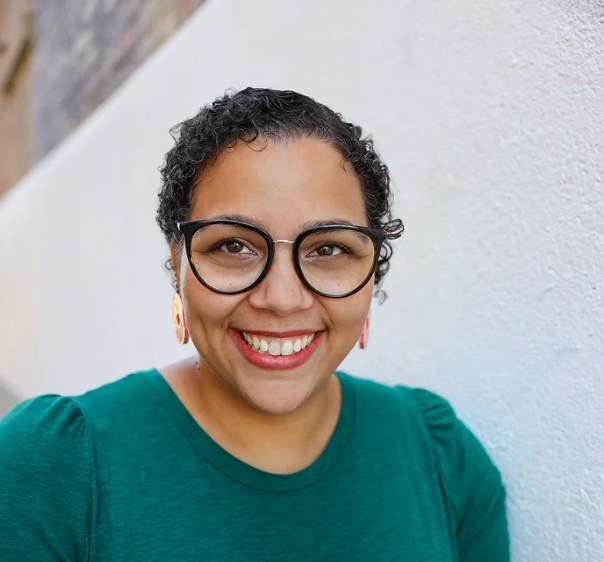
Alechia Dow is a former pastry chef, a librarian, and an award-winning author of acclaimed young adult sci-fi fantasies, several short anthology pieces, and magical (sometimes mysterious) middle grade stories. When not writing, you can find her having epic dance parties with her family, baking, reading, taking teeny adventures, and exploring her local food scene. AlechiaDow.com (Photo credit: Juliet Peel)