

Writing a Trilogy With the End in Mind
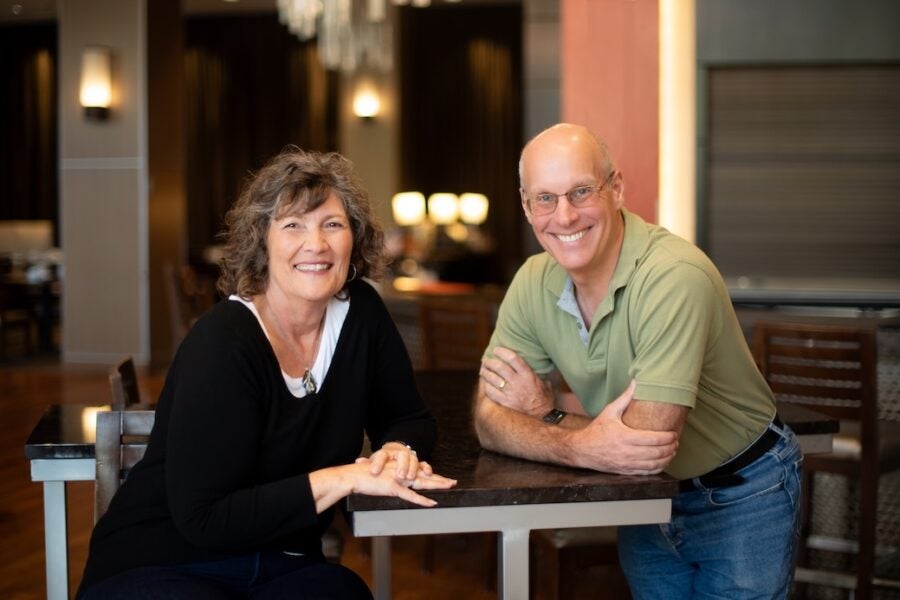
Co-authors Colleen Coble and Rick Acker share how writing a trilogy with the end in mind involves telling four stories in three books.
There are advantages to knowing where you’re going. Sure, it’s fun to take a scenic detour or make an unplanned stop at an eye-catching roadside attraction, but knowing your final destination gives the trip structure and purpose. So too the trilogy.
When we brainstormed out the Tupelo Grove trilogy, we soon realized that we were writing four main stories, not three. Each book has its own plot, of course, but there’s an overarching backbone story that ties all three together. We knew from the beginning how that story would end, which added depth and resonance to each book in the series. Here are a few of the lessons we learned along the way.
Keep the Backbone Mostly in the Background Early in the Series
We decided to keep the backbone story mostly in the background for the first two books in the trilogy. We didn’t want to create dueling primary plots, and we especially didn’t want to leave readers frustrated. So we only mentioned elements of the backbone story if they were directly relevant to the plot of the book we were writing.
For example, one character’s true parentage is important to both the backbone story and the plot of one novel in the trilogy, so we mentioned it in that book. But we didn’t give the full backstory of that parentage. Instead, we dropped hints and clues: a fresh rose left on a neglected grave, a fragment of heartbroken poetry, a box of chocolates left with an unconscious child, and so on.
These tidbits didn’t detract from the main plot of the novel, but they let readers know more was going on—and built anticipation for the later books in the series.
Use Epilogues
The backbone story doesn’t need to stay completely in the shadows, and an epilogue is a great place to bring it into the spotlight. The standalone plot of the book is done, so readers should have a sense of satisfaction and closure. Then in the final scene they get a glimpse of the bigger picture that creates a final twist or cliffhanger—or preferably both.
Publishers Weekly said the first book in our Tupelo Grove series left readers “on tenterhooks,” which is exactly where you want them, of course. And if you opt for a cliffhanger epilogue, make sure to have the next book available for preorder on release day—which our publisher wisely did.
Develop the Backstory
Our trilogy took place against the backdrop of a century-long feud between two South Alabama families, which set up the final scene we knew we were working toward. We wanted to really understand what happened and why, so we created a full history, much of which never appeared in print.
By the time we were done, we had a four-page, single-spaced timeline; a sprawling family tree for one of the clashing clans; and biographical sketches for characters who died decades before the trilogy began. We also had something we hadn’t entirely expected: the fourth story that would form the backbone of our trilogy.
Readers clamored to know more about the messy scandal from the 1890s, the doomed love affair a century later, the truth behind a tragic love triangle, and so on. We pieced it all together through secret diaries, yellowed letters, and the memories of angry old men and women. By the time we were done, we had the tale that tied the series together and propelled much of the final book. The family tree we created even found its way into the finale.
Be Willing to Go Offroad
We knew where the journey would end, but the road still held plenty of surprises. Characters who were supposed to die survived, others surprised us by falling in love, and so on. This happened partly because Colleen is an unrepentant pantser, but even Rick (a strait-laced plotter) recognized the value of leaving plenty of flexibility.
Our writing process intentionally leaves a lot of downrange plot developments vague. Before we begin, we brainstorm the major milestones together. Then Rick and his wife Anette come up with a detailed outline for the next few scenes, which they add to incrementally as the story advances. Colleen has terrific storytelling intuition, so she can sense when the outline needs to be adjusted—and she’ll send Rick and Anette an email titled “Offroading Alert!” We all then brainstorm the details until we’re happy with the outline.
We did a lot of offroading during our trilogy. A story told over three books is bound to change as you get to know the characters and see how developments in the plot of each book impact the overarching plot. For example, one member of that cursed love triangle died before the first book of the trilogy began, but we weren’t sure about the other two. Would one of them survive? Both? Neither? We didn’t know until near the end of the final book—and the story was stronger as a result. If you aren’t sure whether a character will survive, your readers certainly won’t be. So embrace the uncertainty and have fun!
Check out Colleen Coble and Rick Acker's When Justice Comes here:
(WD uses affiliate links)