Catching Continuity Errors in 1, 2, 4—strike that—3 Easy Steps
Author Andrew Welsh-Huggins shares three techniques for catching continuity errors in stories (or avoiding them altogether).
“Is he still holding the gun?”
My first reaction to this question from an eagle-eyed copy editor was frustration. How could I have blanked on such a minor detail? I’ve been through this manuscript so many times!
The work in question is my new Mercury Carter thriller, The Delivery (Mysterious Press), and naturally, I want it to be perfect. The query involved the conclusion of a fight early in the first chapter between Carter and a bad actor, adding to the pressure to get things right.
Finished with the self-flagellation, I relaxed as frustration turned to acceptance and then to gratitude. A professional caught the error: Thank goodness. Then, the longer I thought about the gun question, the more it took on a deeper meaning. It morphed in my mind from a simple line-edit query to an editorial mantra. A valuable important reminder to pay close attention to the small details in a book. Pay attention to them just as much, I would argue, as sweating big things like plot development and character arc.
Why? Speaking for myself, a messy plot line can be forgiven. Writing “Thursday” when it should be “Tuesday” is another thing. Too many of those goofs and the book heads back to the library.
Here are three techniques I use for catching continuity lapses, but more importantly, trying to avoid them altogether.
Outline as you go
Set aside the tired pantser v. plotter debate for a moment. Regardless of which side you fall on, keeping track of events in your work in progress as you write is a handy way of staying focused on chronological developments, small and big. For a plotter, that might mean updating the outline you completed before beginning. For a pantser, it could involve swallowing your pride and creating an outline at the outset.
I call mine simply, “Calendar,” and update it at the end of each day’s writing session. You may not need to be as granular as “Protagonist picks up gun.” But simply noting something like, “Fight in rainstorm,” is a reminder to keep things straight during that battle.
Bow your head
After years of trial and error, I now write and edit most of my fiction in two ways: sitting in a chair with my laptop, or reading the latest draft on my phone’s Kindle app.
The first method, head bowed over my laptop, is the best approximation I’ve found to looking down at a typewriter, or to get even more basic, handwriting a manuscript. The act forces me to focus on my writing in a way that staring at a monitor does not. Hunched over my writing device improves my concentration and makes it less likely to forget where a pesky gun went. (Have no fear: My monitor isn’t going anywhere. When my fiction writing stint is over for the day, I find my monitor—a comfortable but not over-large 19-inch screen—preferable for the “admin” side of writing, i.e., answering emails, banking, working up marketing plans and teaching curricula, etc.)
The second method, reading my WIP on my phone’s Kindle app, is the nearest I get to printing out a manuscript and editing page by page. Something about reading my writing as I would a book or magazine makes it easier to read my work aloud (or at least silently mouth the words), which once again improves my attention to detail.
Take a break
Multiple reasons abound to take a break between edits of a story or book. Chief among them is allowing the engine of productivity to cool off. It’s easy to see one’s latest draft as bulletproof when you’re caught up in the passion of creation or editing. Returning to a project after days, weeks, and especially months, ensures two things. First, you’ll find mistakes you missed in the heat of the moment (“Oh yeah. The gun.”). Second, discovering those mistakes—and arriving at a solution to fix them—minimizes the frustration and self-criticism from identifying them minutes or hours before submission deadline (or worse, after). With time to read calmly and carefully, you’re more likely to follow that weapon from one end of the fight to another.
Outlining as you go, writing and editing like an old-fashioned typist, and setting a manuscript aside—all are ways to ensure that 99% of continuity mistakes are caught ahead of publication. One hundred percent? That may require divine intervention, an editorial approach for another day…
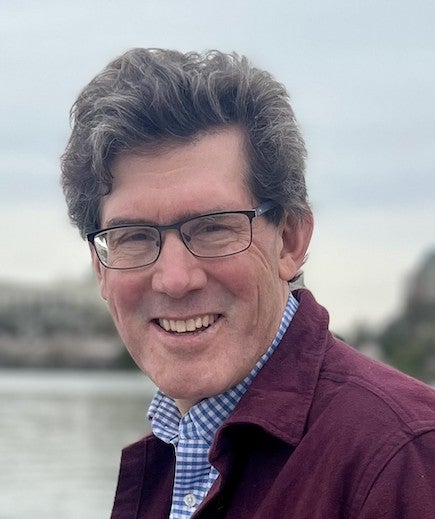
Andrew Welsh-Huggins, of Columbus, Ohio, is the Shamus-, Derringer-, and International Thriller Writer-award nominated author of the thrillers The Mailman and The End of The Road and of the Andy Hayes private eye series. He is also the editor of the anthology Columbus Noir. Andrew’s short fiction has appeared in Alfred Hitchcock Mystery Magazine, Ellery Queen Mystery Magazine, and Black Cat Weekly, and in multiple anthologies including The Best Mystery Stories of the Year 2021 and 2024. (Photo credit: Emma Welsh-Huggins)