

Using Intention to Guide Your Media Strategy
Paula Rizzo, media coach for authors, reveals how intention can help authors build a media strategy that plays to their strengths.
When it comes to seeking out media opportunities and growing your author career, the key word is intention. That’s because not all media opportunities are right for every author. When you’re guided by an intention (your “why”), it’s a lot easier to know where to put your energy.
In my second book, Listful Living, I write about how important it is to lean into your own productivity style and follow your instincts. For example, don’t become a morning person if you’re not a morning person. You’ll just be cranky. I know because I’ve tried. Don’t seek out that event that everyone else is going to if it doesn’t speak to your passion. Tapping into your strengths is the most powerful tool in your toolbox. The same goes for building your career as an author. Finding media opportunities that work for you (not for everyone else!) is key.
As you start to consider your “why” and imagine your ideal media opportunities, it’s worth doing some reflection so that you can have an authentic intention that makes sense with who you are and what you have to share.
Define your audience.
This is an important first step. Who are your readers? Brainstorm about them and get a holistic view so you can target them better. Think about age, where they live, what they do in their free time, their passions, hobbies, and what their personal or professional goals may be. Create a reader avatar. You can even name them if you’d like!
It’s also essential to consider what kind of media your readers are consuming. You need to find them where they are already going. That is the kind of media you should be doing. It doesn’t matter how trendy or flashy a media interview is if it’s not reaching the right people.
You’ve probably heard an example of when this doesn’t go right—have you ever listened to a podcast and felt right away that the guest wasn’t a good fit and didn’t mesh with the show? Well, there you go. You probably didn’t finish that episode.
On the other hand, you’ve probably listened to podcasts where you heard from people whose work you were excited to discover. Those people were a better fit for the established audience. And that’s what you’re aiming for when you look for media opportunities.
Different types of media will be better for different audiences. For example, if your readers are mostly older adults, AARP: The Magazine would be a good fit for your media interviews. Of course, if your audience is teenagers, you wouldn’t pitch AARP! You might look to TikTok or Instagram. It’s all about finding the right fit.
Once you know where your people are, it’s time to think about how you can reach them in a way that feels authentic and comfortable to you.
Take advantage of your comfort zone.
The key with doing media (and creating your own media) is that it is endlessly flexible. That means you can find and create opportunities that make sense with your skill set and what you are comfortable with. Not everyone feels confident doing video and putting their face out there—so pivot to podcasts or do audio narration with an animation. The point is that you’re still doing something engaging. You’re getting out there and sharing something that you feel confident and comfortable doing.
Of course, it’s also good to push yourself and try new ways of connecting with your readers. But it’s equally important to recognize your strengths and make the most of those.
Not sure what your strengths are? Try to remember the times you’ve felt most comfortable and confident talking about your work. Where were you (virtual or in-person)? Who were you speaking with? Was it live, for video, or for audio? How did you prepare? What was the format (a panel, an interview, a solo presentation)?
Use this information to guide how you plan media content opportunities. Especially when you’re in the first stages of expanding your reach, it’s important to lean into the ways you already feel good about sharing your work. That will be the strong foundation for what comes next.
Embrace virtual opportunities.
A lot of times, people feel like they have to prioritize in-person events. Truthfully, if you don’t want to do them, you can still do virtual events. I love virtual gatherings! I did a virtual launch for my second book in 2019, before people even really knew what Zoom was, and it was fantastic. If you feel more confident this way, embrace that.
Virtual events can be fun and engaging when done right. Plus, they are often more accessible because people don’t need to travel. That means readers from across the country (and even the world) can attend. It’s a great way to connect with readers who are outside your geographic area. And there are so many ways that you can create these opportunities with Zoom, StreamYard, or even using Instagram Live.
Broaden your horizons outside of the biggest media.
Authors put so much effort and emphasis on media like “The Today Show” and “Good Morning America.” They think that’s the pinnacle of media, but the truth is, you’re not going to sell books if you’re on those shows. It can be great for your persona and credibility, but it doesn’t meaningfully boost book sales. Not unless you’re a celebrity, at least.
If your goal is selling books, it’s more effective to go after the publications that reach your specific audience and are poised to buy. Think about how you watch a morning news program. You’re probably distracted, making breakfast, getting dressed and half listening. It’s very rare that you will stop to write down or remember the name of a book that you just saw. However, if you’re listening to a podcast about book selections then that is the kind of program where you’re more likely to act on a suggestion and buy.
Be clear about your goal.
Of course, if you still want to go after the big shows, good for you! It all depends on what your goal is. Someone asked me recently at a workshop what I thought of getting a billboard in Times Square for their book. I said, that’s cool for your Instagram, but I doubt it will sell books. It’s good visibility and it’s something that you can say that you did—but if the goal is reaching readers, it may not be the best use of resources. On the other hand, if the goal is making a splash—go for it!
When you’re planning media opportunities, you have to gauge what matters. It all comes back to your intention. That “why” is your guideposts as you seek out media interviews.
There’s a lot of noise when it comes to promoting your book and building your career as an author. There’s certainly a lot of information out there about what other authors are doing. But there’s no one path to success. Every book is unique and so is every author. That’s freeing! It means you don’t need to worry about anyone else’s journey except your own.
Of course, it’s helpful to build a community with other authors, especially people writing in your genre. They have knowledge to share and there’s plenty to learn. And hopefully, you’ll all be generous enough to share each other’s books and insights. But you have your own intention—your media journey is your own to embrace.
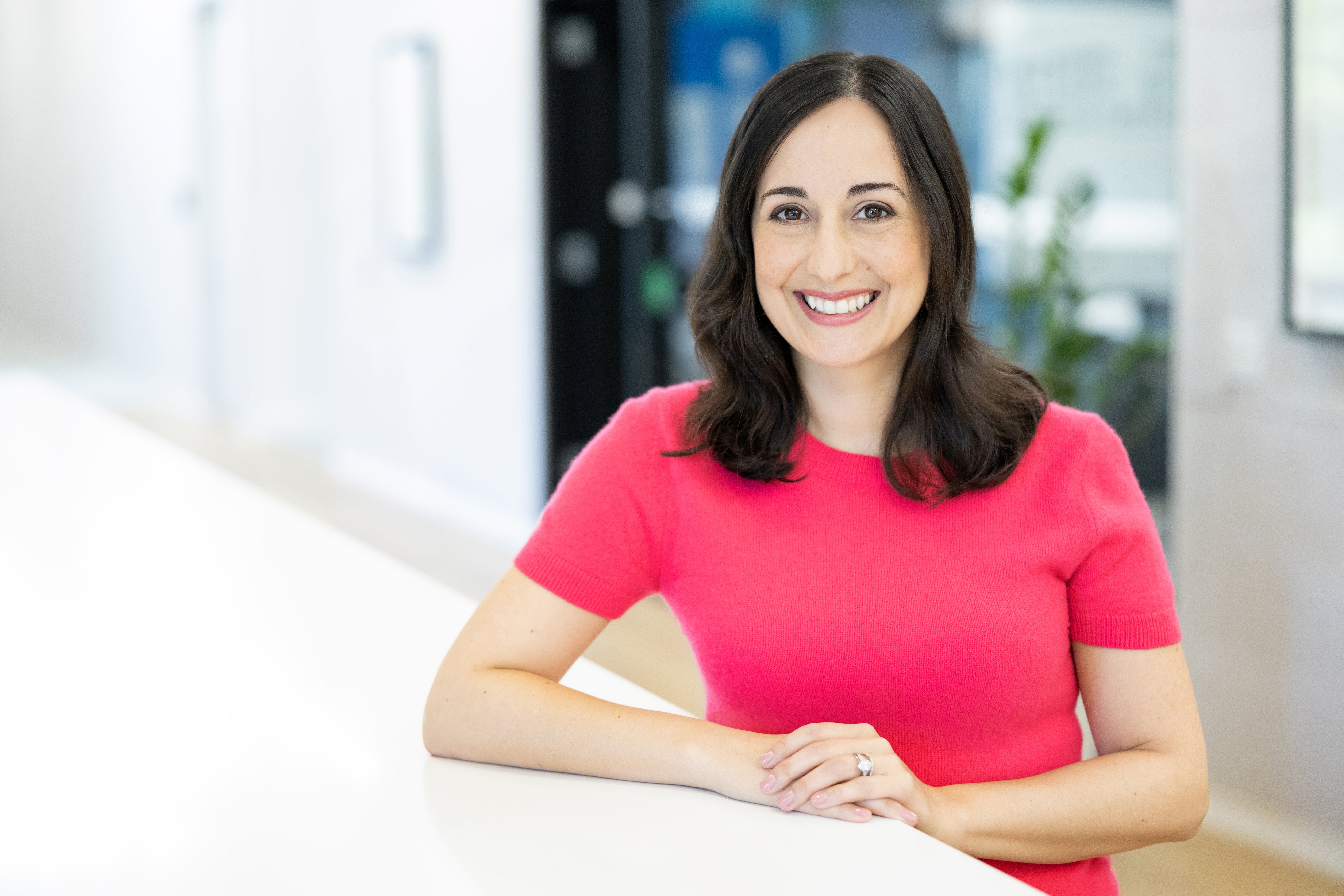
Paula Rizzo is an Emmy Award-winning television producer, bestselling author of Listful Thinking & Listful Living, media-training coach, speaker, LinkedIn Learning Instructor, host of the live-stream show “Inside Scoop,” and creator of the popular online training Media-Ready Author. Grab Paula’s free guide, 10 Media Questions Every Author Needs to Answer, to create buzz for your book.


