
Karen Gebbia: On Writing Picture Books With Many Layers
In this interview, children’s author Karen Gebbia details her process for writing stories that have many layers.
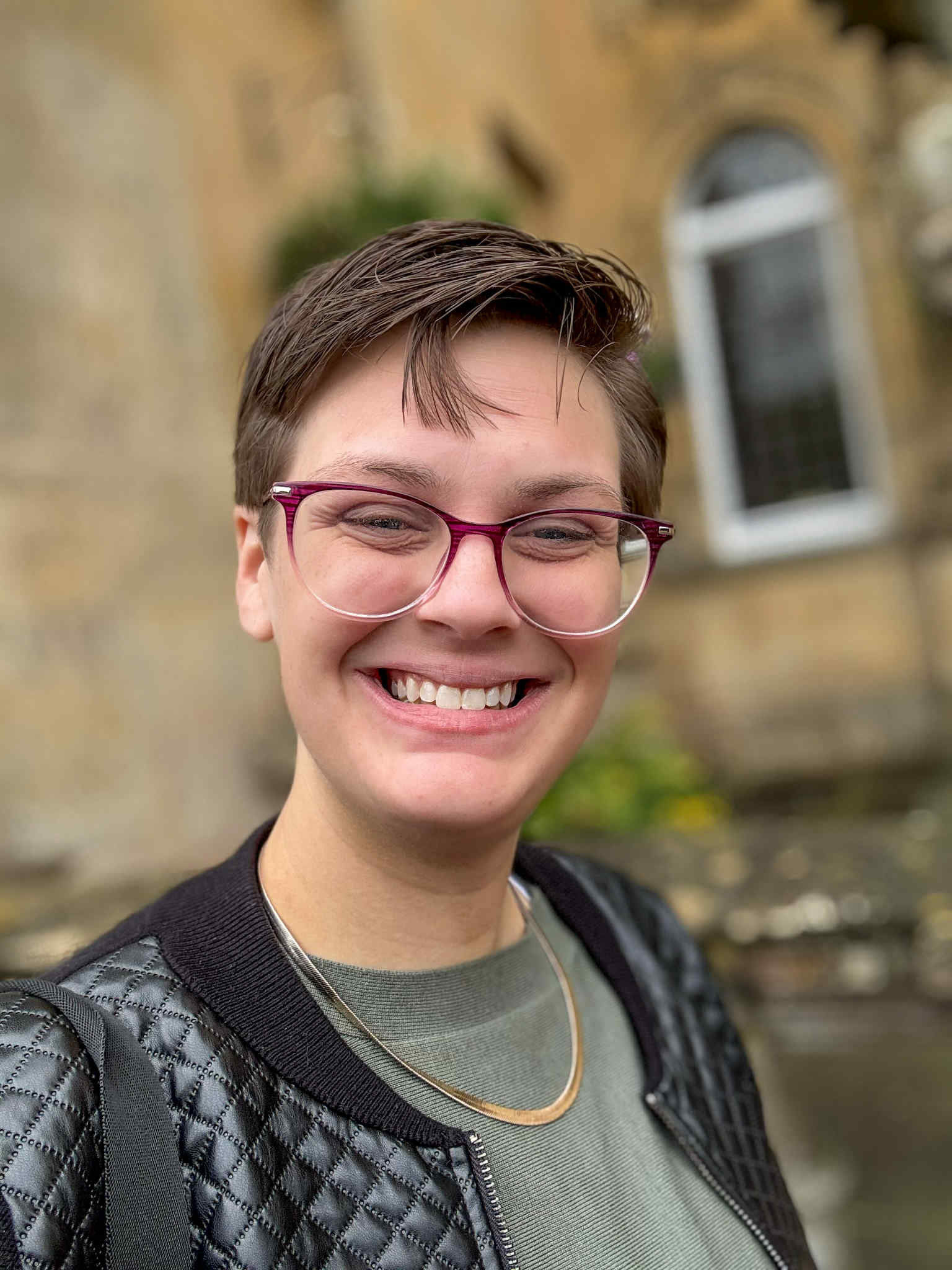
Karen Gebbia (KarenGebbia.com) is a children’s book author and naturalist based in California. She believes that books help children feel, think, wonder, and understand. Before writing for children, Karen spent two decades writing, publishing, editing, and teaching scholarly writing.
In this interview, children's author Karen Gebbia details her process for writing stories that have many layers.
Name: Karen Gebbia
Literary agent: Amy Thrall Flynn, Aevitas Creative Management
Book title: Waiting for Iced Tea
Publisher: Magination Press
Release date: October 6, 2026
Genre/category: Children’s picture books, fiction
Elevator pitch: On a stifling summer day, Charlotte’s t-shirt feels like a hot, heavy blanket, and all she can think about is Nana’s sweet, lemony, real iced tea. But you can’t rush real iced tea. It takes all day to make. Charlotte wants to wait patiently, but waiting is hard. As Nana and Charlotte find useful ways to pass the time, Charlotte discovers that the slow moments spent together might be the sweetest thing of all.
[WD uses affiliate links.]
What prompted you to write this book?
This book developed from a very deliberate craft challenge I set for myself to create a picture book that combined two formats/structures/sub-genres—a lyrical, atmospheric, sensory, vibe-y feel and a traditional story arc—and did both well, when many (most?) picture books tended to do either one or the other.
I imagined a place from my childhood that embodied all the sensory vibes. That happened to be my grandmother’s home in Maryland’s hot, humid, low country in mid-summer. On that sensory foundation, I built a traditional story arc (with all the elements of problem/want/need, external obstacles/action, emotional arc, relationship, pacing, language, etc.) around Charlotte and Nana sharing sweet moments together while waiting for and making iced tea on a stifling summer day.
How long did it take to go from idea to publication? And did the idea change during the process?
It took about four-and-a-half years, from early 2022 to fall 2026, and many drafts, from idea to publication (which is fast for a picture book these days!).
Although it went through many revisions, this is one of my rare manuscripts in which the basic idea remained essentially the same all the way from inspiration to publication!
Were there any surprises or learning moments in the publishing process for this title?
Although this is my first picture book to be published, it was the third one to sell. It happened that both this book (with a smaller, more specialized press), and one of the other two books (with a Big Five press), were in the process of text editing and illustration sketch reviewing at the same time. Having heard stories of how different the experience could be with different presses, I was delightfully surprised to find how similar the editing and illustration sketch reviewing process was with these two very different publishers, despite the longer timeline to publication with the larger press.
Were there any surprises in the writing process for this book?
Because of the number of layers I was trying to interweave in this book, I had to create a new, multi-columned template to track each layer, then liberally swap puzzles pieces back and forth among the columns until they fit in a way that seamlessly interwove those layers into a coherent story arc.
What do you hope readers will get out of your book?
When a book is released into the world, its creators cede control, creative inspiration, and intent to readers. Readers often take different things from a book and, especially with picture books which are mean to be read and re-read, might take different things at different times. My hope is that readers find in this book something that moves them or speaks to them in the moment.
If you could share one piece of advice with other writers, what would it be?
Patience, persistence, and community. Writing for traditional publication can be a long, lonely road, especially in the children’s book market. Surround yourself with a trusted community of other creators who understand the journey. Support each other through the process and celebrate each tiny step along the way, together.